Same day emergency cleaning Shepherds Bush W12
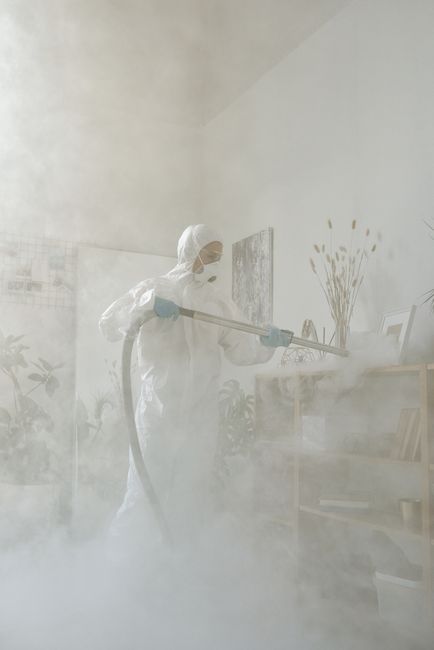
When something messy happens at the worst possible time, you do not need a lecture. You need a fast, calm, proper clean. That is exactly where same day emergency cleaning Shepherds Bush W12 comes in. Whether it is a sudden spill before guests arrive, a tenancy handover gone sideways, or a kitchen, bathroom, or hallway that has turned into a no-go zone, a quick response can stop a small problem becoming a bigger one.
In Shepherds Bush, timing matters. Flats get busy, landlords want standards met, offices need to open, and let's face it, nobody wants to spend an evening scrubbing when there are more urgent things to handle. This guide explains what emergency cleaning actually covers, how the process works, what to expect on the day, and how to choose the right service without guessing your way through it.
If you want to compare related services too, you may also find deep cleaning, domestic cleaning, and end of tenancy cleaning useful depending on the situation.
Why Same day emergency cleaning Shepherds Bush W12 Matters
Emergency cleaning is not just about appearances. In a busy home or workplace, delay often makes the problem harder to control. A fresh spill can seep into carpet fibres. Food residue can attract odours. Mud and debris can get ground into hard floors. And if there is a guest, tenant, customer, or colleague involved, the pressure rises very quickly.
Same day response matters because the first few hours are usually the most useful window. A fast clean can reduce staining, improve hygiene, protect surfaces, and help you regain control before the whole place feels chaotic. You know that feeling when the room looks "sort of fine" from the door but smells off when you get closer? That is the sort of issue where timing is everything.
In Shepherds Bush W12, emergency jobs often happen in compact flats, shared homes, commercial units, or rental properties where people have limited tolerance for disruption. A fast visit can make the difference between a manageable problem and a full-on rearrangement of your day.
Common emergency cleaning triggers include:
- unexpected spills on carpets or upholstery
- food, drink, or pet accidents
- last-minute guest or Airbnb turnarounds
- post-party cleanups
- move-out or inventory pressure
- after-builders dust or residue that is still settling
- office or communal area messes that cannot wait
If the issue affects textiles or soft furnishings, services such as carpet cleaning, sofa cleaning, and upholstery cleaning are often the most relevant follow-up options.
How Same day emergency cleaning Shepherds Bush W12 Works
Most emergency cleaning services follow a fairly simple pattern: assess, prioritise, clean, check, and advise. The difference with same day work is pace. There is less time for long-winded planning, so the cleaner needs enough information to arrive ready. Good communication makes the whole thing smoother. A lot smoother, actually.
It usually starts with a brief call or enquiry. You explain what happened, the type of surface or room involved, how urgent it is, and whether anyone needs access at a certain time. From there, the service can decide whether the job is suitable for same day response and what equipment or products may be needed.
On arrival, the cleaner will normally inspect the affected area first. That matters because the same mess can behave very differently depending on surface, fabric, moisture level, and how long it has been there. A wine spill on a sealed hard floor is one thing. The same spill into wool carpet is another story entirely.
A professional same-day clean typically includes:
- Initial assessment to identify the exact problem and any risks.
- Containment or pre-treatment if the stain or mess could spread.
- Targeted cleaning using suitable methods for the material.
- Odour or residue control where needed.
- Final inspection to make sure the result is practical, not just surface-level.
For some jobs, you may also need stain removal or pet stain and odour removal as part of the visit. If the emergency is part of a larger reset, one-off cleaning can be a sensible broader option.
Key Benefits and Practical Advantages
Fast cleaning is not only about speed. The real benefit is damage control. In the first hour, you are often trying to prevent a stain setting, a smell lingering, or a room becoming unusable. That practical reality is why same day support is so valuable.
- Reduces lasting damage: quick action can stop liquids and grime from settling deeper into materials.
- Restores use of the space: you can get back to normal routines faster.
- Protects tenant, guest, or customer relationships: especially useful for landlords, hosts, and business owners.
- Lowers stress: to be fair, that alone is worth something.
- Supports hygiene: particularly where food, waste, bathroom issues, or pets are involved.
- Improves presentation: important when someone important is due to arrive, and soon.
There is also a hidden benefit: an experienced cleaner can spot when a surface needs more than a quick wipe. That can save you from making a situation worse by rubbing the wrong thing into the wrong material. We have all been there, trying to "help" and somehow making the stain bigger. Annoying, but common.
For larger properties or workplaces, emergency cleaning can also be paired with commercial cleaning, office cleaning, or communal area cleaning where shared access areas need attention quickly.
Who This Is For and When It Makes Sense
Same day emergency cleaning is useful for people who cannot wait until a routine slot. That sounds obvious, but the details matter. If the problem is time-sensitive, unpleasant, or likely to worsen, same day service makes sense. If the area is simply overdue for attention, a planned clean may be better value.
This service is often chosen by:
- Homeowners and tenants dealing with spills, accidents, or pre-visit panic
- Landlords and letting agents needing a property ready quickly
- Airbnb hosts facing a short turnaround between bookings
- Office managers handling a mess that could affect staff or visitors
- Businesses with customer-facing premises where presentation matters immediately
- People moving in or out who spot a problem too late to ignore
It can also be the right choice after a repair or refurbishment, where dust, debris, or residue appears in places no one expected. In that kind of situation, after builders cleaning is especially relevant. For move-related pressure, move in cleaning and move out cleaning are worth considering too.
Ask yourself one simple question: is this something that will be harder to deal with tomorrow? If the answer is yes, same day cleaning usually makes sense.
Step-by-Step Guidance
If you need emergency cleaning done properly, the best outcome usually comes from a short, clear process. Here is the practical version.
1. Identify the exact problem
Before calling, work out what the issue actually is. A clear description helps the cleaner bring the right kit. Is it a liquid spill, tracked-in dirt, odour, grease, pet mess, dust, or something else? If there is more than one problem, list them in order of urgency.
2. Note the surface and room
Different materials need different treatment. Carpet, hard floor, upholstery, curtains, mattress fabric, and oven interiors all behave differently. Mention the room too. A hallway landing, kitchen, bathroom, and reception area all come with different constraints and access issues.
3. Keep the affected area as untouched as possible
It can be tempting to start scrubbing. Often, that is the moment a stain spreads or fibres get damaged. If safe to do so, blot gently, avoid harsh chemicals, and keep traffic away from the area. If something is wet, stop it spreading first.
4. Share access and timing details
For same day work, access is crucial. Let the cleaner know about parking, entry codes, stairs, lifts, pets, or any noise restrictions. Small details save time. And time, in an emergency, is the whole point.
5. Confirm what outcome you need
Be clear about your priority. Do you need the area to be usable, presentable, deodorised, or fully restored as far as possible? A good cleaner will tell you what is realistic on the day. That honesty matters more than overpromising.
6. Check the finish before the job is signed off
Once the cleaning is complete, take a quick look in natural light if possible. Check edges, corners, seams, and any place where residue might hide. It is much easier to deal with issues immediately than after everyone has gone home.
Expert Tips for Better Results
Experienced cleaners tend to think in terms of surface, dwell time, and risk. That sounds technical, but the idea is simple: what is the material, how long has the issue been there, and what could go wrong if the wrong method is used?
Here are the tips that consistently help:
- Act quickly, but not recklessly. Fast is good. Scrubbing blindly is not.
- Tell the truth about the spill. Coffee, wine, bleach, oil, pet urine, makeup, ink-each behaves differently.
- Use the least aggressive method first. Gentle intervention often protects the finish.
- Keep people and pets away from the area. It stops re-soiling and reduces spread.
- Ventilate where possible. Fresh air helps with drying and odour control.
- Ask about drying expectations. A clean space is useful, but a damp one can still disrupt the day.
If the emergency involves fabric or fibres, pairing the job with steam carpet cleaning or rug cleaning may be the more effective route. For lounge furniture, sofa cleaning is often the better fit than trying to attack the problem with household products.
One small but useful habit: take a photo before anything is touched. It helps you describe the issue clearly and, if needed, compare the result after cleaning. Not glamorous, I know. But practical.
Common Mistakes to Avoid
Emergency cleaning jobs go wrong for predictable reasons. Most of them are avoidable.
- Waiting too long. The longer a stain sits, the harder it is to remove.
- Using random household chemicals. Mixing products or using the wrong one can damage fabric or finish.
- Rubbing instead of blotting. Rubbing can push the stain deeper.
- Ignoring the underlying cause. If there is a leak, pet accident, or ventilation issue, cleaning alone may not solve it.
- Expecting miracles on delicate materials. Some marks can be improved but not fully erased.
- Booking without explaining access. A five-minute delay becomes twenty very quickly in London traffic and stairwells.
A smaller mistake, but one I see quite often: people assume every stain is the same because it looks similar. It really is not. Two dark marks on the same carpet can need completely different treatment. Tiny differences, big consequences.
If the issue extends beyond the immediate mess, a broader refresh such as house cleaning or one-off cleaning may be the smarter choice.
Tools, Resources and Recommendations
You do not need a truck full of equipment for a minor emergency, but the right tools make a noticeable difference. Professional cleaners usually rely on a mix of targeted products and extraction or agitation methods suited to the surface.
Useful essentials often include:
- microfibre cloths
- safe absorbent materials for wet spills
- appropriate spot treatment products
- vacuuming and extraction equipment where relevant
- protective gloves and footwear
- odour-neutralising products for soft furnishings
For hard surfaces, hard floor cleaning is often the sensible option when grime, spill residue, or tracked-in dirt has spread beyond one spot. For windows or exterior access points affected by weather or dust, window cleaning and patio cleaning can help restore the wider space rather than just the immediate mess.
When you are comparing providers, it helps to check the basics: whether they explain what can be cleaned same day, whether they are upfront about limitations, and whether they provide clear pricing. If you want to understand cost structure before booking, pricing and quotes is the most relevant place to start. For peace of mind on transactions, payment and security is useful reading too.
Law, Compliance, Standards, or Best Practice
Emergency cleaning may sound simple, but good service still depends on safe, responsible working. In the UK, professional cleaners are generally expected to follow sensible health and safety practices, use products correctly, and avoid creating unnecessary risk for occupants, staff, or themselves.
That means a few practical things in real-world terms:
- cleaners should assess hazards before starting work
- chemical products should be used according to instructions
- wet floors, cables, and sharp debris should be managed carefully
- access arrangements should reduce the risk of accidents
- where relevant, property owners should be informed of any limitations or unresolved issues
For customers, the best practice is straightforward. Ask how the work will be carried out, whether the cleaner is insured, and what happens if a surface is too delicate or damaged to treat in the usual way. The details matter. They really do.
You may also want to review health and safety policy, insurance and safety, and terms and conditions so you know how jobs are handled, what is included, and what to expect if something needs clarification.
For businesses and landlords, emergency cleaning should also be consistent with occupancy, access, and any contractual obligations you already have in place. If you are unsure, ask for a clear explanation before the work begins. That simple conversation avoids a lot of awkwardness later.
Options, Methods, or Comparison Table
Not every urgent clean needs the same level of intervention. Sometimes a spot clean is enough. Other times you need a deeper reset. Here is a simple comparison to help you choose.
| Option | Best for | Typical strengths | Limitations |
|---|---|---|---|
| Spot cleaning | Small spills or isolated marks | Fast, targeted, low disruption | May not address odour or hidden residue |
| Same day emergency cleaning | Urgent messes that affect use or presentation | Rapid response, practical results, time-saving | Limited by access, drying time, and material sensitivity |
| Deep cleaning | Built-up dirt, repeated use, wider grime | More thorough, better for resets | Usually takes longer and may cost more |
| Specialist treatment | Odours, stains, delicate fabrics, specific materials | More precise, often better for tricky problems | May require more assessment before treatment |
In practice, many jobs sit between categories. A host might need a quick same day clean now, then a deeper service later in the week. A landlord may need the immediate problem sorted and then schedule end of tenancy cleaning once the property is vacated. That kind of layered approach is often the smartest one.
Case Study or Real-World Example
Here is a realistic example. A Shepherds Bush flat gets a last-minute call from guests arriving that evening. During the morning, someone knocks a drink over in the living room and the spill tracks into the carpet near the sofa. Nothing dramatic from a distance, but close up it is damp, sticky, and already beginning to smell faintly sweet.
The first step is not panic. The resident blots the area gently and keeps foot traffic away. Then they request same day emergency cleaning. When the cleaner arrives, they check the fibre type, test the affected patch, and treat the spill in stages rather than flooding the whole area. The carpet is left cleaner, the odour reduced, and the room is usable again before evening. Not perfect, maybe, but absolutely good enough to save the day.
That is what good emergency cleaning should feel like: calm, efficient, and quietly reassuring. No fuss. No drama. Just the room back to something you can live with.
If the same property also had a messy kitchen or oven issue, it would make sense to combine the visit with oven cleaning or a broader domestic cleaning plan rather than tackling each problem separately.
Practical Checklist
Use this quick checklist before you book or before the cleaner arrives.
- Identify the exact problem and affected area
- Note the surface: carpet, fabric, hard floor, mattress, curtain, or other
- Record how long the issue has been there
- Keep pets and children away from the area
- Blot gently if safe; do not scrub hard
- Share access details, parking notes, and time constraints
- Say whether odour removal is needed, not just stain removal
- Ask what result is realistic on the day
- Check drying expectations before the job ends
- Review the finish before signing off
Expert summary: the best same day emergency cleaning is not the fastest one in theory; it is the one that arrives prepared, treats the right surface gently, and leaves the space genuinely usable again.
Get a free quote today and see how much you can save.
Conclusion
Same day emergency cleaning Shepherds Bush W12 is really about restoring control when time is tight and the mess cannot wait. The value is practical first: less damage, less stress, less disruption. But there is a human side too. A clean room changes the mood of the whole day. It helps people breathe again, quite literally in some cases.
If you are dealing with an urgent spill, unpleasant odour, or a sudden cleaning problem that feels too big to tackle alone, the best move is usually to act quickly and keep the process simple. Explain the issue clearly, choose the right type of clean, and let the job be handled properly rather than rushing it with guesswork.
And if you are planning ahead for a likely repeat issue, it may be worth looking at related services such as regular cleaning, house cleaning, or Airbnb cleaning so the next last-minute scramble does not feel quite so sharp. A little preparation goes a long way, even if life in London likes to keep us on our toes.
When the day has been messy, a steady clean can feel like a reset. That matters more than people think.
Frequently Asked Questions
What counts as same day emergency cleaning in Shepherds Bush W12?
It usually means a cleaning job that is assessed, accepted, and completed on the same day because waiting would make the problem worse or create a practical issue. Common examples include spills, odours, pet accidents, or urgent guest-ready cleanups.
How quickly can an emergency cleaner arrive?
Arrival time depends on availability, access, and the size of the job. Some cleans can be scheduled very quickly, while others need a short assessment first. The more clearly you explain the issue, the easier it is to plan the visit.
Can same day emergency cleaning remove tough stains?
Often it can improve them significantly, and sometimes remove them fully, but results depend on the stain type, surface, and how long it has been there. Fresh spills are usually more responsive than older, set-in marks.
Is emergency cleaning the same as deep cleaning?
No. Emergency cleaning is about urgency and fast response. Deep cleaning is more thorough and usually scheduled for wider buildup or a full refresh. Some jobs need both, just at different times.
What should I do before the cleaner arrives?
Keep people and pets away from the area, avoid harsh chemicals, and blot wet spills gently if it is safe. Also share access details, parking notes, and the exact problem so the cleaner can come prepared.
Can emergency cleaning help with pet smells?
Yes, especially if the issue is caught early and the right treatment is used. For pet-related incidents, pet stain and odour removal is often the most relevant service.
Is same day cleaning suitable for offices and shops?
Yes. It is often a good fit for customer-facing areas, receptions, communal spaces, and office messes that cannot wait until a standard booking slot. Fast presentation fixes can make a big difference in commercial settings.
Will the area be dry straight after cleaning?
Not always. Some surfaces dry quickly, while carpets, upholstery, and rugs may need more time. Ask about drying expectations before the job starts, especially if the room needs to be used again soon.
How do I know whether I need emergency cleaning or a regular service?
If the issue is sudden, time-sensitive, or likely to worsen quickly, emergency cleaning is usually the right choice. If the space is simply due for routine upkeep, a planned service such as regular cleaning may be better.
What if the mess affects more than one room?
Tell the cleaner that upfront. Multi-room work may still be possible on the same day, but it may need a broader approach such as deep cleaning or house cleaning depending on the scale.
Are quotes for emergency cleaning usually fixed?
They can be fixed for straightforward jobs, but urgent or unusual situations sometimes need a more careful estimate. The most honest quote is the one based on the actual condition, not a guess from afar.
What is the best way to keep an emergency from turning into a bigger problem?
Act quickly, avoid over-cleaning, and get the right service for the material. That simple combination prevents most small incidents from becoming expensive ones. A calm response beats a frantic one nearly every time.