Health and Safety Policy for Carpet Cleaning Shepherds Bush
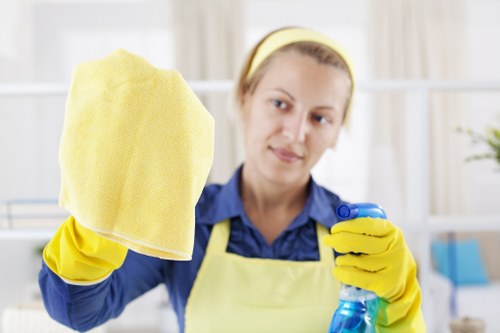 This health and safety policy sets out the standards and working practices expected during carpet cleaning in Shepherds Bush. Its purpose is to protect staff, clients, visitors, and property by reducing risks associated with cleaning equipment, chemical products, wet surfaces, electrical tools, and manual handling. Every carpet cleaning service should be carried out with a clear commitment to safe working, careful preparation, and responsible conduct.
The policy applies to all stages of the job, from inspection and setup to cleaning, drying, and completion. It supports a consistent approach to carpet cleaning safety by requiring workers to identify hazards before work begins, use equipment correctly, and maintain a clean working environment. All operatives are expected to follow site-specific instructions, respect the condition of the premises, and act promptly if a risk is identified.
 A safe carpet cleaning policy begins with preparation. Before starting any task, the area should be assessed for slip hazards, fragile items, loose rugs, electrical cables, or signs of water damage. Furniture should be moved carefully, and access routes should be kept clear. Where necessary, warning signs should be positioned to alert others to wet floors or restricted areas. These simple actions help reduce accidents and support safer carpet cleaning operations.
Cleaning products must be selected and used in accordance with manufacturer instructions. Only approved chemicals should be used, and they should be stored, labelled, and handled correctly. Workers must wear appropriate protective equipment where required, such as gloves or eye protection, especially when dealing with concentrated solutions or stain treatments. In every carpet cleaning service, chemical safety is essential to protect both the operative and the building occupants.
Equipment safety is equally important. Machines should be checked before use to ensure cables, plugs, hoses, and attachments are in good condition. Faulty equipment must not be used. Electrical tools should be kept away from standing water, and users should avoid overloading sockets. During carpet cleaning work, equipment should be operated only by trained personnel who understand correct settings, maintenance needs, and emergency shutdown procedures.
 Manual handling is another key area of concern. Lifting machines, moving furniture, or carrying water containers can create strain or injury if done incorrectly. Operatives should assess the weight and shape of items before lifting, use safe techniques, and ask for assistance when needed. A responsible carpet cleaning health and safety policy always prioritises posture, teamwork, and careful movement over speed.
Working conditions must also be monitored throughout the task. Floors may become slippery after extraction or hot water cleaning, so drying times and ventilation should be managed carefully. Doors or windows may be opened where appropriate to improve air circulation. If a room remains damp, access should be restricted until the surface is safe. This is especially important in residential and commercial carpet cleaning environments where people may move through the area unexpectedly.
Staff must remain alert to the wellbeing of others on site. Children, pets, elderly occupants, or vulnerable individuals should be kept away from active work areas whenever possible. If strong odours, allergies, or sensitivities are present, suitable measures should be taken, such as choosing low-odour products or limiting exposure time. A professional carpet cleaner should always work with consideration, communication, and care.
In the middle of every job, supervision and accountability matter. Any incident, spill, injury, or near miss should be reported promptly and recorded in line with internal procedures. Workers should stop immediately if conditions become unsafe, such as when leaks, trip hazards, or equipment failure are detected. Health and safety in carpet cleaning depends on continuous awareness, not just an initial inspection.
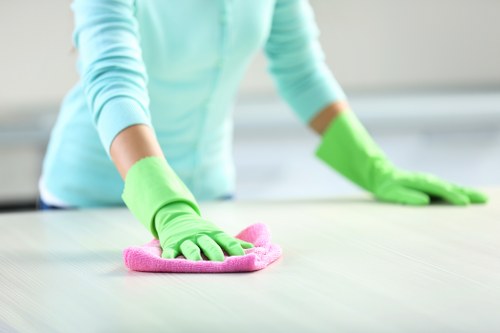 Personal hygiene and housekeeping also form part of this policy. Workers should wash hands after using chemicals, cleaning equipment, or handling contaminated materials. Used towels, pads, and disposable items should be collected and removed safely. The workspace should be left tidy, with tools stored properly and surfaces checked before departure. Good housekeeping supports safe carpet cleaning practice and helps prevent avoidable incidents.
Training is essential for maintaining high standards. All staff should receive instruction on equipment use, chemical handling, emergency procedures, manual handling, and risk awareness. Refresher training should be provided when methods change or when new products are introduced. A strong carpet cleaning safety policy is only effective when everyone understands their responsibilities and follows them consistently.
Emergency readiness must not be overlooked. Staff should know how to respond to fires, electric shock, chemical exposure, flooding, or accidental injury. Basic first aid arrangements and clear reporting lines should be in place, and emergency actions should be reviewed regularly. The aim of this health and safety policy for carpet cleaning is not only to prevent harm but also to ensure a calm and effective response if something goes wrong.
 Management will review this policy regularly to make sure it remains suitable, effective, and up to date. Changes in equipment, materials, working methods, or legal expectations should be reflected promptly. All personnel involved in carpet cleaning services are expected to cooperate with the policy, follow safe systems of work, and contribute to a culture where safety is treated as a core part of quality service.
By following these standards, carpet cleaning work can be carried out efficiently while protecting people, property, and reputation. A careful, disciplined approach helps ensure that each job is completed to a professional standard with minimal risk. This commitment to carpet cleaning health and safety supports reliable service delivery and a safer working environment for everyone involved.